Planning a first trip to East Africa from Andhra Pradesh or Telangana raises questions that a general safari brochure will not answer. This kenya safari guide for telugu speakers covers what actually matters. It explains how to find a guide who bridges the language gap, what real costs look like, and how to choose between parks and conservancies. It also covers what to expect around food and entry paperwork. It is written for a first-time traveler who wants honest, practical planning information.
How Do You Find a Kenya Safari Guide for Telugu Speakers?
Request Telugu support before paying and ask the operator to confirm the named guide in writing. Check whether the guide is fluent in conversational Telugu or whether an interpreter will accompany an English-speaking driver-guide. Then ask for a backup plan in case the assigned guide becomes unavailable. A language premium may apply.
Telugu-speaking guides exist in Kenya, but the pool is small. Guides fluent in English, French, or German are far easier to find, since those languages see much more visitor volume. Some operators keep a short list of Telugu speakers on staff, while others pair a professional English-speaking guide with a Telugu interpreter. Ask directly whether you are getting a certified safari guide who also speaks Telugu, or an interpreter riding along with an English-speaking guide. Wildlife knowledge and tracking skill usually sit with the certified guide. Get the arrangement, including the guide’s name where possible, confirmed in writing before you pay.
How Much Does a Kenya Safari Cost for Telugu Speakers?
Plan on roughly USD 250 to 800 per person per day, depending on accommodation, vehicle style, season, and park fees. A comfortable seven-day mid-range safari commonly falls near USD 3,000 to 3,800 per person, before international flights. A Telugu-speaking guide may add about USD 20 to 40 per day.
That range is wide because Kenya safari cost depends on several separate decisions that stack together. A shared vehicle with a fixed group departure sits at the lower end. A private vehicle costs more, but it lets you set your own pace and stop when you see something interesting. It suits families and travelers who want flexibility. Accommodation swings the number further. A simple tented camp is far cheaper than a luxury lodge with a private plunge pool, even inside the same conservancy. Park and conservancy entry fees are charged per person per day, and they vary by reserve. A route visiting several parks adds up faster than a single-region stay. For a full breakdown by season and vehicle type, see this Kenya safari cost guide. If a private vehicle is on your shortlist, this private vehicle cost comparison is worth reading before you book.
Which Kenya Safari Parks and Conservancies Are Best?
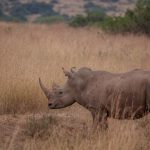
Combine the Masai Mara for big-cat and wildebeest viewing with one less crowded conservation area. Samburu offers the Special Five, Ol Pejeta is strong for rhino conservation, and Lewa combines black-rhino habitat with community conservation. Conservancies generally provide quieter vehicles, walking options, and stricter wildlife rules than national reserves.
The Masai Mara is Kenya’s best known reserve for good reason. Predator density is high, and the plains support large resident herds year round, not only during the wildebeest crossing months. It is also the most visited reserve in the country, so vehicle numbers around a sighting can be high in peak season. For a quieter version of the same ecosystem, the Mara Triangle sits under separate management and tends to see fewer vehicles. This Mara Triangle comparison explains the difference.
Pairing the Mara with Samburu National Reserve works well for a first Kenya trip. Samburu sits in drier, more rugged country and holds species adapted to that terrain. These are sometimes called the Samburu Special Five, and the southern circuit does not offer them. The Ol Pejeta Conservancy in Laikipia is a strong add-on for rhino conservation, protecting both black and southern white rhino alongside community programs. Amboseli, with its Kilimanjaro backdrop, is another popular first-timer stop; see this Masai Mara versus Amboseli comparison if you are deciding between the two. Conservancies generally enforce stricter vehicle limits per sighting than national reserves, so it helps to understand those rules before arrival. This Kenya conservancy rules and what to expect page covers the details.
A Quick Comparison Table
| Destination | Known For | Best For | Indicative Cost per Day (USD, per person) |
|---|---|---|---|
| Masai Mara | Predators, resident herds, wildebeest migration | First-time visitors, big-cat sightings | 300 to 800 |
| Samburu National Reserve | Special Five species, dry-country scenery | Travelers who want a second, different landscape | 250 to 600 |
| Ol Pejeta Conservancy | Rhino conservation, chimpanzee sanctuary | Conservation-focused travelers, families | 280 to 650 |
| Lewa Conservancy | Black rhino habitat, community conservation | Travelers wanting quieter, exclusive settings | 350 to 800 |
These figures are indicative ranges only, since actual rates shift with season, lodge category, and vehicle arrangement.
When Is the Best Time to Go on a Kenya Safari?
July to October offers dry conditions and strong wildebeest-season potential in the Masai Mara, but it also brings higher prices and more vehicles. November, February, and parts of the March-to-May green season can offer lower rates, vivid landscapes, and excellent resident wildlife viewing. Rain can make road conditions less predictable during these months.
There is no single best month for a Kenya safari, only trade-offs. The dry months draw the largest crowds because animals gather near remaining water sources, which makes sightings easier to predict. If crowds bother you more than heat or dust, that trade-off is worth accepting. The shoulder months and the green season see fewer visitors and lush scenery. Resident wildlife, meaning animals that live in the Mara ecosystem all year rather than only migrating through, is still present in good numbers. Rain can affect road access in some conservancies, so ask your operator about current conditions closer to your travel date. For photographers, overcast light in the green season can work in your favor; this rainy season photography guide has specific tips. For a month-by-month breakdown focused on the Mara, this best time to visit Masai Mara page goes deeper.
What Should Telugu-Speaking Travelers Know About Food, Communication, and eTA?
English and Swahili are widely used on safari, so a Telugu guide mainly improves comfort, interpretation, and family communication rather than basic logistics. Request South Indian or vegetarian meals in advance, and disclose allergies clearly. Also verify Kenya’s electronic travel authorisation requirements and current fee before departure, since entry rules can change.
Most lodge and camp staff across Kenya’s main safari circuits speak workable English, and many also speak Swahili. Day-to-day logistics rarely depend on having a Telugu speaker present. Where a Telugu-speaking guide adds real value is in smaller moments. That means explaining wildlife behavior in detail and translating for older relatives. It also means making sure nothing gets lost between an excited spotting and an accurate description of what you are seeing.
Request vegetarian or South Indian style meals when you book, not on arrival. Larger lodges near the main circuits usually accommodate this comfortably. Smaller or more remote camps may offer a simpler menu built around what is locally available. Reconfirm dietary needs with each property, since one request sent to your travel operator does not always reach every camp on a multi-stop itinerary. Put allergies or Jain requirements in writing and follow up close to departure.
Kenya’s electronic travel authorisation, commonly called the Kenya eTA, is generally required in place of a traditional visa for most travelers from India. Application steps and fees can change. Check the current official requirements before booking flights, since arriving without valid authorisation can cause serious delays. If this is your first trip with an interpreter or Telugu-speaking guide, these language-specific Kenya safari planning tips written for other Indian language travelers may help. They cover logistics that overlap regardless of which language you speak at home.
Packing sensibly also reduces stress once you are in camp. This Kenya safari packing list and this note on what shoes you need on safari cover the basics.
What Should a 7-Day Kenya Safari Itinerary Include?
A balanced seven-day plan can use Nairobi as an arrival base. From there, spend two nights in Samburu and two in Laikipia at Ol Pejeta or Lewa. Finish with two or three nights in the Masai Mara. Flying between distant regions saves time; driving is better when travelers want scenery, villages, and flexible roadside stops.
A seven-day route gives enough time to see different landscapes without constant packing and unpacking. Arrive in Nairobi and rest for a night before heading out, since long-haul flights from India plus a same-day transfer can be exhausting. Two nights in Samburu introduce dry-country wildlife that contrasts with the greener south. A flight or a longer drive brings you to Laikipia, where Ol Pejeta or Lewa offer strong rhino viewing. Ol Pejeta also has a chimpanzee sanctuary with its own visiting rules worth knowing in advance. See this chimpanzee visit rules page if that interests you. The final two or three nights in the Masai Mara close the trip with the highest concentration of predators on the route.
Flying between regions saves hours you would otherwise spend on rough roads. This matters if anyone in your group is prone to motion sickness; this safari vehicle motion sickness guide has practical suggestions either way. Driving instead costs less and lets you stop at villages and viewpoints along the way. The choice comes down to how much of your week you want in transit versus on game drives. Families traveling with children sometimes add a short cultural stop; read this guide on planning a respectful cultural village visit before adding one. Travelers wanting to see Africa’s most recognizable species should also check this Big Five in Kenya overview. Not every park or conservancy guarantees all five.
Frequently Asked Questions
Is there a Telugu-speaking guide for a Kenya safari?
Yes, Telugu-speaking guides may be available on request, although supply is limited and should be confirmed before booking. Ask whether the guide is a fluent Telugu speaker or an interpreter paired with an English-speaking professional guide, and obtain the arrangement in writing.
How much does a Kenya safari cost for Telugu speakers?
A Kenya safari generally costs about USD 250 to 800 per person per day. The exact amount depends on the season, accommodation, park fees, and whether the vehicle is private. A seven-day mid-range trip may total approximately USD 3,000 to 3,800 per person, excluding international flights and some entry costs.
Do I need a visa or eTA for Kenya from India?
Travelers from India generally need Kenya’s electronic travel authorisation before arrival rather than a traditional visa. Check the official application requirements and current fee before booking flights, because entry rules, processing times, and documentation requirements can change.
Can I get Indian or South Indian food on a Kenya safari?
Many safari lodges can provide vegetarian and Indian-style meals when notified in advance, but remote camps may have simpler menus. Include dietary needs in the booking request and reconfirm them with every camp, especially for allergies, Jain preferences, or strict South Indian cuisine requirements.
How many days are enough for a Kenya safari?
Five days can cover one or two nearby regions, while seven days allows a more varied route with the Masai Mara plus Samburu, Laikipia, or Amboseli. Longer trips reduce rushed transfers and create more opportunities to observe animal behavior rather than only collecting sightings.
Ready to Compare Options?
Once you know your rough budget, preferred parks, and language needs, the next step is comparing what different operators actually offer. Sites like FindMySafari, Valley Safaris, and Trunktrails Safaris let you compare safari operators and browse packages. Check which ones can confirm Telugu-speaking support in writing before you commit.
Where Can You Find More Kenya Safari Planning Resources?
- Kenya safari packages from SafariPure
- Kenya wildlife tours from Trunktrails Safaris
- Best time to visit Kenya month-by-month map from Valley Safaris
- Compare Kenya safari packages on FindMySafari